Complimentary delivery on orders over Rs. 3,000Cash on delivery, nationwideFree shade matching with every makeup kit

Golden hour is the most flattering light there is: low, warm and forgiving. This look recreates it on skin, so you glow whether you’re in the sun at four or under candlelight at ten.

1. Prep for glow, not shine

Start with a hydrating serum and let it sink in for a full minute. Press a pea-sized amount of SHEGLAM Complexion Pro Foundation into the centre of the face with fingertips, then blend outwards with a damp sponge. Keep the edges sheer.
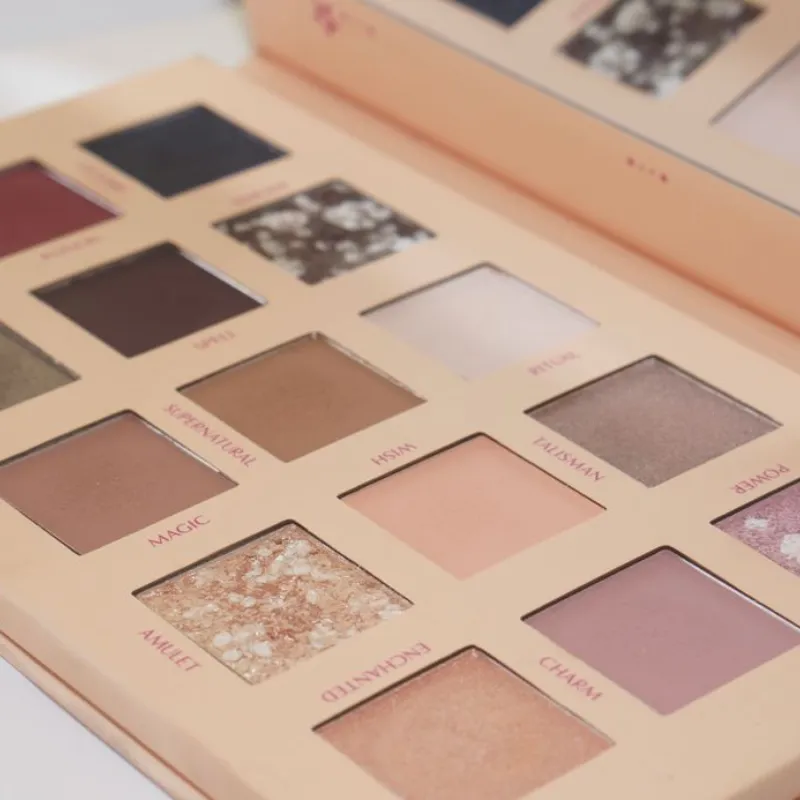
Open nude eyeshadow palette in taupe and rose shimmer
The Huda Beauty Nude Obsessions Palette: we used Taupe Silk, Rose Ember and Gilded.

2. Warm the eyes

Sweep a matte taupe through the crease with a fluffy brush, then press a bronze shimmer onto the lid with a fingertip for the most reflective finish. Smudge the same bronze along the lower lash line.

“Put shimmer only where light naturally hits: the lid, the high cheekbone and the cupid’s bow.”

Sana Qureshi

3. Finish with a satin lip

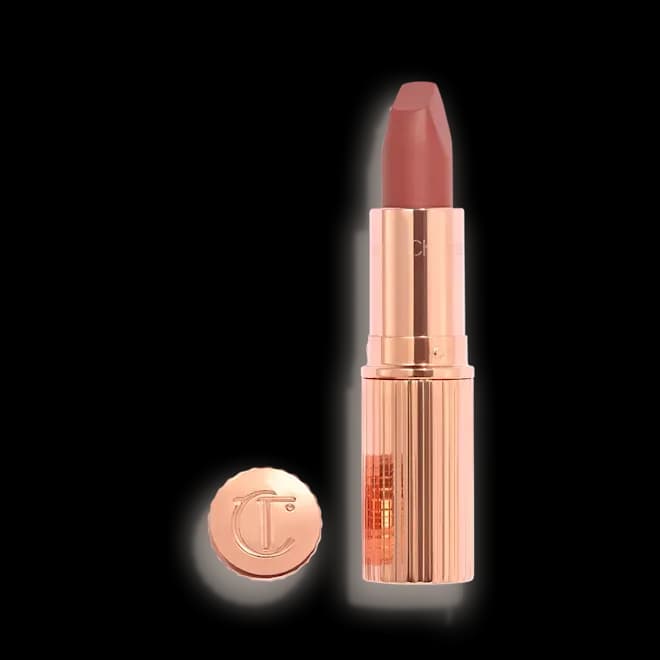
Line with a liner one shade deeper than your lips, then press Pillow Talk in Pillow Talk Medium on with a fingertip for a softer, satin finish. Mist with setting spray and you’re done.
← Back to Blog
Inside the studio: how a lipstick is made

Inside the studio: how a lipstick is made

October 10, 2026

Pigment, wax, oil and a mould — what actually happens between a colour idea and a finished bullet.

A lipstick looks simple and is not. Three families of ingredient have to agree with each other: pigment for colour, wax for structure, and oil for slip.

The base

Waxes decide whether a bullet holds its shape in a warm handbag or bends the first time you use it. Harder waxes give a firmer bullet and a drier feel. Softer ones glide more and melt sooner.

Oils carry the pigment and decide how the colour feels going on. Too little and the lipstick drags; too much and it slides off within the hour.

The colour

Pigment is milled into the oil phase until the particles are fine enough to read as one even colour rather than as speckles. This is the slowest part and the one that decides whether a red looks rich or flat.

Shade matching is done against a reference under controlled light, because the same mixture looks different under a window than under a lamp.

Moulding

The mixture is heated until pourable, poured into a chilled mould, and set. Once firm, the bullet is released, flamed briefly to give the surface its gloss, and fitted into the case.

Why finishes differ

A matte, a satin and a cream are not the same formula with different names. Mattes carry more pigment and less oil, which is why they wear longer and feel drier. Creams reverse that. Satins sit between the two, which is why they suit most people most of the time.

Knowing which finish you are buying tells you more about how it will wear than the shade name does.

Keep reading

All stories